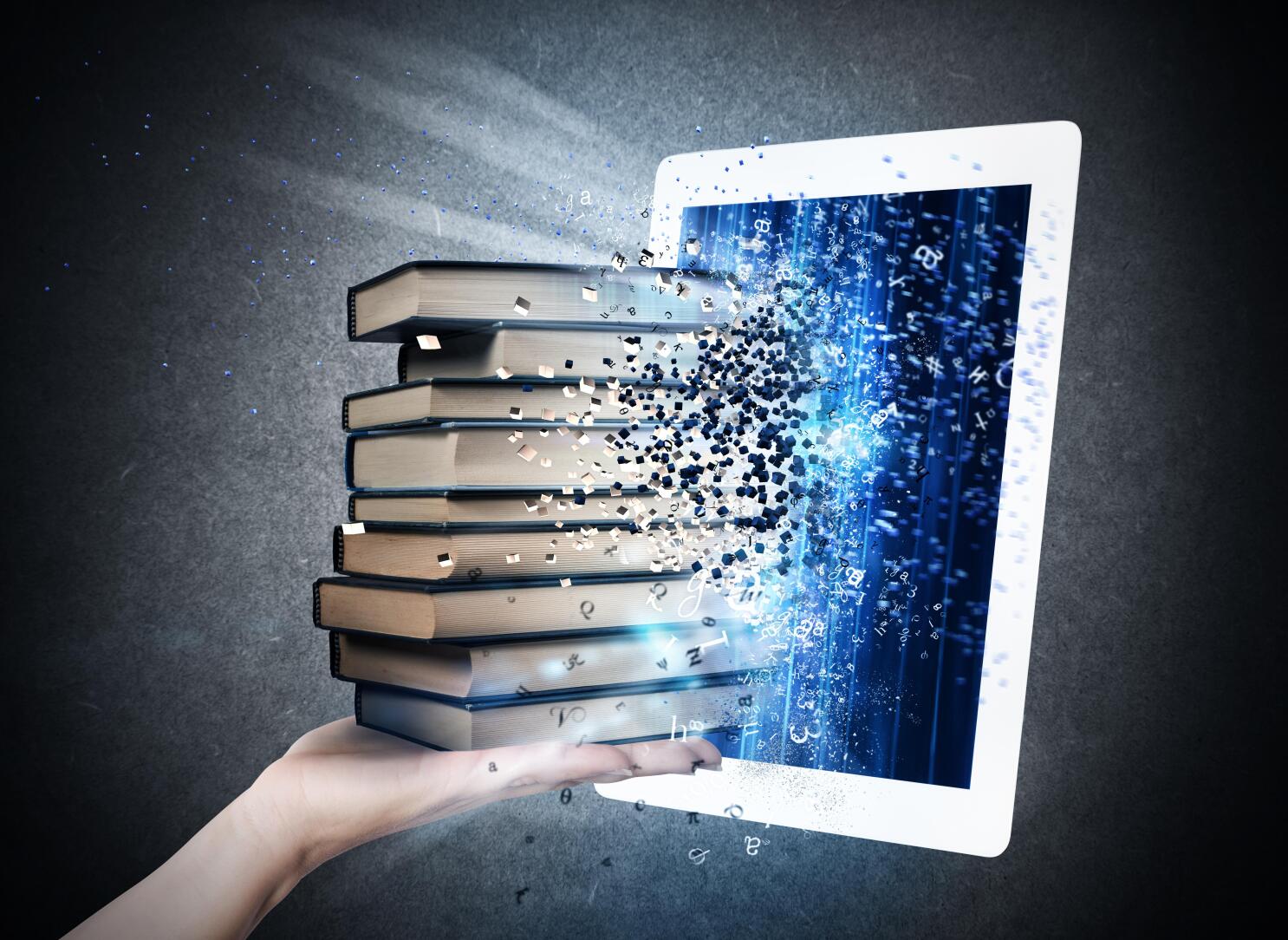
Pros and Cons of Digital Books
Digital books have been on the rise ever since advancements in technology made them possible. While some readers still prefer the tactile experience of a physical book, others enjoy the convenience of accessing their reading material online anytime, anywhere, without the need to carry a physical copy. E-books greatly improve accessibility, allowing authors to distribute their work globally at a much faster pace. They also offer features like adjustable fonts and integrated dictionaries, enhancing the overall reading experience. The process of creating an e-book saves both time and money for authors and publishers, which ultimately benefits consumers through lower costs and greater availability. However, the shift to digital comes with drawbacks. Readers lose the sensory engagement that physical books provide, potentially weakening their emotional connection to the material. Additionally, the move toward fully digital literature raises concerns about data privacy and the monopolization of content by large tech companies. While e-books offer many advantages, they also challenge traditional publishing models, which could lead to significant issues for both authors and publishers over time.
-Chatgpt made it sound better